5 Laws That Anyone Working In Garden Patio Heater Electric Should Be Aware Of
What to Look For in a Garden Patio Heater Electric If you are looking for more elegance from your patio heater electric then look out for models that have different heat settings. This will reduce your running costs as you only use the heat you require. Take into consideration the power of heating measured in BTUs. A higher number will generate more heat and can be used to calculate the size of space the heater is able to warm. Versatility Patio heaters extend the usability of your outdoor living space, allowing you to enjoy your garden into the night and across the seasons. Gas and electric models are available, based on the size of your garden as well as your preferences. Some are freestanding, whereas others are wall mounted or integrated into your gazebo or pergola. Gas patio heaters emit infrared energy into the air. In contrast to other types of space heaters that blow air across the hot coil to warm it, patio heaters use an infrared beam to heat objects and people directly. This makes them a great choice for large, well-ventilated spaces. The quantity of heat they generate can be adjusted by using the controls of the unit with a remote control, or scheduling it with the use of a timer. Depending on the capacity of the heater, it can warm up to 215ft2. Gas patio heaters require a gas connection but portable propane heaters can be moved and are powered by an internal tank. Electric patio heaters are powered by electricity and do not present the same dangers to safety as gas models. However, it is still important to check the instructions of the manufacturer and read the manual carefully before installing a heater. Look for an automatic shut-off of tip-over that can detect when a heater has fallen. A patio heater is an effective way to keep warm in a cold winter evening. They're usually tall and cylindrical with a massive metal disk on top which reflects heat downwards to warm the space around it. They are typically made from aluminum powder coated with stainless steel. This makes them durable and impervious to weather. A patio heater can also protect your body from cold air if there's a breeze. Certain models come with an adjustment for tilt to direct heat where it is needed, while others include an integrated remote control. Safety Patio heaters can provide warmth and ambiance for outdoor gatherings. outdoor heater for patio electric fireplacesandstoves are available in various styles and sizes. They can be gas or electric-powered. The choice is based upon various factors, including the desired heat output as well as the availability and price of propane or natural gas, as well as aesthetic preferences. Bromic's extensive range of outdoor heaters includes both gas and electric models. The main difference between the two types is that electric heaters use infrared heating to heat objects and people directly rather than the surrounding air. This leads to more efficient and targeted heating and a lower energy use than traditional gas heaters. Many electric heaters come with built-in safety features like tip-over auto shut-off and overheating protection. These features ensure that the heater does not cause fire when used in enclosed areas and will shut off if the temperature is too high. It is nevertheless important to keep in mind that even the most secure electric heaters could be an hazard to fire if they are placed too close to flammable substances or if a person moves them while they are still hot. This is the reason it is suggested that all patio heaters are kept at least 3 feet away from any combustible material and that people stay close enough to avoid contact with the heater when it is operating. It is crucial to choose an electric heater with a high IP-rating and is specifically designed to be used outdoors. This will help to ensure that the heater is able to withstand exposure to rain, snow and the fluctuating temperature. Also, make sure the model you select comes with a thermocouple, or an automatic shut-off feature in case of malfunction. Registering your patio heater is also crucial. This will allow you to be contacted when there are any safety alerts or recalls. This will also help you return the heater if necessary. It is also important to keep the area where you are planning to use the heater clear of debris, such as leaves and twigs, that could end in the burner. Environmentally friendly Electric patio heaters do not emit carbon dioxide, as do gas patio heaters that operate on propane gas or butane. They may take a little longer to warm up than a heater for patio use that runs on gas, however once they're on, they will provide instant warmth. This is ideal for those who own businesses and homes who wish to to conserve the earth, or those who simply don't want a heater that produces CO2. Electric patio heaters are, in addition to being eco-friendly, are also safer than any other kind of outdoor heating. While braziers or fire pits can be used to burn a variety of different fuels from seasoned woods to smokeless coals and even soot, they usually release it which can cause poor indoor air quality. Electric patio heaters are distinct since they utilize infrared radiation to heat objects and people and not air. This is safer and more clean. 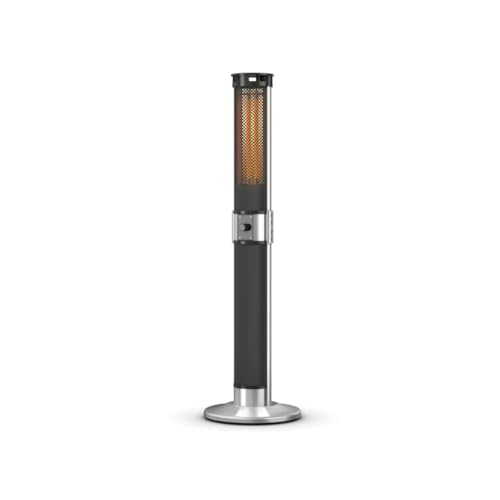 The other safety characteristic of electric patio heaters is that it can be turned off when it is not being used, which is a huge benefit when you are hosting guests and don't want guests to be distracted by the lights of a heater that isn't actually producing any heat. A lot of top-of-the-line products from brands like AEI's Infratech come with the option of a remote control that allows you to operate the unit without stepping up, which is particularly beneficial for those who have limited mobility. The only downside to an electric patio heater is that it can't be recycled. It will end up in landfills which is a shame considering how modern the design of these heaters are. The gas cylinder is easily returned to the company who supplied it, however the remainder of the heater will need to be removed and disposed by an expert. Convenience The majority of patio heaters are fairly simple to install especially with freestanding models or ones that are table top mounted. However, wall-mounted models or hanging heaters require more thorough and professional installation, so these are usually best left to licensed professionals. Whichever kind of patio heater you decide to purchase, there are a range of features that will satisfy your needs. For example, many electric heaters come with remote controls as well as adjustable temperature settings. You can turn your patio heater off and on with just a single click, and then adjust the temperature using another. This allows you to remain seated and not need to move the heater. This can also help reduce the use of energy and operating costs since you can control the temperature more effectively since you only use it for the time you need it. The choice between propane, gas or electric is also dependent on the type of fuel you prefer and the area you intend to heat. Propane heaters are more portable as they don't require plugging in, but also require a larger tank that will need to regularly be replenished. Gas heaters are usually the best choice for larger spaces since they can be hardwired into the main gas line of your home, eliminating the necessity of purchasing or refilling propane tanks. Electric heaters are a great choice for those who want to be environmentally friendly. They emit less CO2 and are usually more affordable than heaters that use propane or gas. However it is important to remember that electric heaters aren't as powerful as their propane or gas counterparts and might not be able of heating a large outdoor space. Lastly, it is important to note that the power cord plugged in to the majority of electric heaters is very short, which can limit your ability to place the unit in the way you want to use it. Most manufacturers only supply electric heaters that have an extension cord that is that is up to 1.8 meters in length to ensure compliance with safety standards. This means that many customers will require an extension cable in order to be able to use their outdoor heater however they decide to use it.